
Build Functional Outdoor Spaces That Last
Landscaping Design & Installation in Cincinnati for properties needing structured planting beds, irrigation, or full yard buildouts
Samy Gody Tree Service & Landscaping handles landscaping design and installation for residential and commercial properties across Cincinnati, working with homeowners who need garden beds built, trees and plants installed to specification, or entire yards planned and constructed from base grade. You're managing a property where drainage runs toward the foundation, where existing beds have collapsed into the lawn, or where new construction left you with bare dirt and no plan. This service addresses those conditions by laying out planting zones, setting grade for water movement, installing plant material that suits your soil and sun exposure, and running irrigation lines where hand watering won't sustain growth.
The work begins with a site review that accounts for slope, soil composition, existing utilities, and how you intend to use the space. Design planning identifies where trees provide shade or screening, where beds define walkways or borders, and how irrigation zones correspond to plant water needs. Installation includes bed excavation, soil amendment where native clay won't support root development, placement of trees and shrubs according to mature size, and laying sod in areas designated for turf. Irrigation systems are configured with zones that deliver water efficiently, using timers and drip lines for beds and spray heads for lawn areas, reducing runoff and supporting establishment without daily manual watering.
Reach out to discuss a landscaping consultation that covers your site conditions and installation timeline.
What Changes After Installation Is Complete
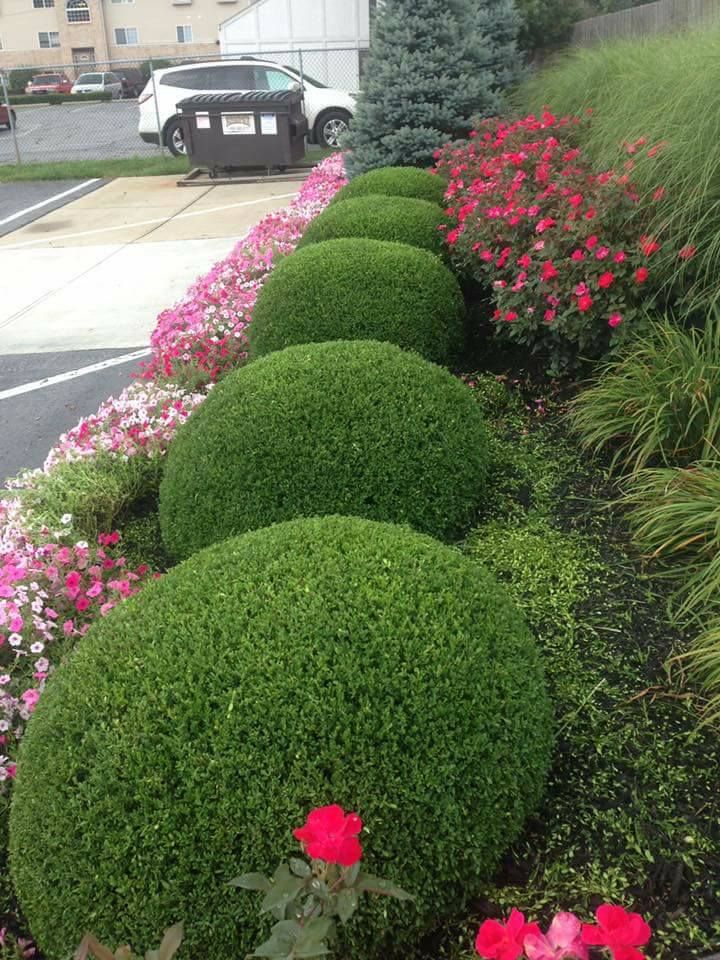
You'll see defined borders where garden beds meet turf, plants set at proper depth with mulch applied to retain moisture, and irrigation heads positioned to cover assigned zones without overspray onto hardscape. Sod is rolled tight to existing grade, with seams staggered and edges cut to fit walkways or bed lines. Trees are staked if trunk caliper requires support during the first growing season, and root balls are set level with surrounding soil to prevent settling that exposes roots or creates low spots that collect water.
Irrigation installation includes backflow prevention where required by local code, valve boxes positioned for access during seasonal adjustments, and controller programming that reflects zone type and plant maturity. Landscape upgrades on existing properties may involve removing old plantings, regrading sections where water pools, or extending bed lines to reduce mowing area and improve visual flow from the house to the yard perimeter. Full yard work on new construction includes finish grading to move water away from the foundation, installation of a complete irrigation system before any plant material goes in, and coordination with hardscape contractors if patios or walkways are part of the project.
The scope is defined during planning and does not include ongoing maintenance, seasonal fertilization, or repair of irrigation components after the installation warranty period. Plant selection reflects your preference for native species, color, or low-maintenance growth habits, and installation timing accounts for weather windows that support root establishment before temperature extremes arrive.
Questions About Landscape Installation and Irrigation
Clients in Cincinnati often ask about project timing, irrigation setup, and how plantings are selected for long-term survival.
What does landscape design planning include before installation starts?
Planning involves a site visit to assess slope, drainage patterns, sun exposure, and soil conditions, followed by a layout that identifies planting zones, irrigation line paths, and any grading work needed to correct water flow before beds or sod go in.
How is sod installation different from seeding?
Sod provides immediate coverage and erosion control, requires consistent watering for the first two weeks while roots establish, and can be walked on lightly within three weeks, while seeding takes longer to fill in and needs protection from traffic and heavy rain during germination.
When should irrigation systems be installed?
Irrigation lines are installed after rough grading is complete and before sod or plant material is placed, allowing trenches to be dug without disturbing roots and ensuring coverage is tested before the landscape is finished.
Why do some plants fail after installation?
Plant failure usually results from improper depth, compacted soil that restricts root growth, insufficient water during establishment, or selection of species that don't match the site's light or moisture conditions.
How long does a full yard installation take?
Timeline depends on property size and scope, but most residential projects involving grading, irrigation, planting, and sod installation are completed in one to three weeks, with scheduling adjusted for weather and material delivery.
Samy Gody Tree Service & Landscaping works with property owners who need structured outdoor spaces that manage water, support plant health, and function as intended from the day installation is finished. Contact the team to schedule a site review and discuss what your property requires.