
Control Water Movement to Protect Your Property
Retaining Walls & Drainage Solutions in Cincinnati for yards with erosion, standing water, or failing slopes
Samy Gody Tree Service & Landscaping installs retaining walls and drainage solutions for residential and commercial properties across Cincinnati, serving clients whose yards show erosion along slopes, water pooling near foundations, or soil slumping after heavy rain. You're dealing with a yard where runoff carries mulch and soil into the driveway, a basement that takes on water during storms, or a hillside that's losing stability and threatening plantings or structures. This service addresses those problems by building retaining walls that hold grade on slopes, installing French drains that intercept and redirect subsurface water, and grading drainage channels that move runoff away from buildings and into appropriate outlets.
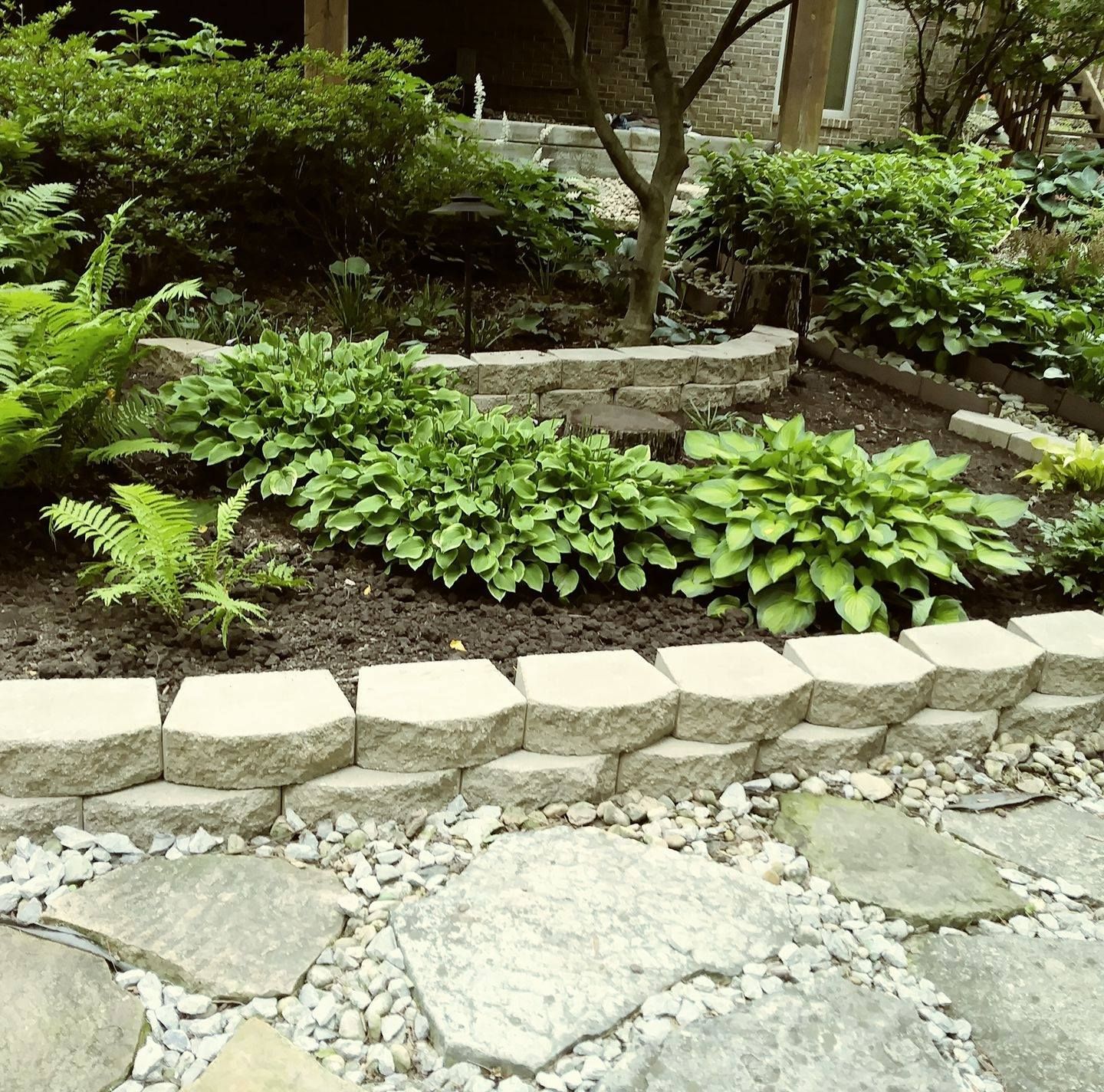
Retaining wall installation begins with excavation to stable soil or bedrock, followed by placement of a gravel base that supports the wall structure and allows water to pass through rather than building pressure behind the face. Walls are built using concrete block, natural stone, or treated timber depending on height, load, and aesthetic preference, with each course set level and backfilled with drainage aggregate to prevent hydrostatic pressure. Drainage solutions include French drains installed at the base of slopes or along foundation lines, with perforated pipe surrounded by gravel and filter fabric that keeps soil from clogging the system, and surface channels that collect sheet flow and direct it toward storm drains or drainage swales.
Request a retaining wall or drainage estimate to discuss site conditions and how water currently moves across your property.
What You'll Notice After Installation
You'll see a level transition where the retaining wall holds back soil, with no slumping or erosion below the wall face, and drainage outlets that carry water away from the foundation or landscaped areas during rain events. French drains are buried with the top of the gravel layer just below grade, often marked by a slight depression or gravel cap that allows surface water to enter the system. Retaining walls include weep holes or drainage gaps at regular intervals to relieve any water that collects behind the structure, preventing bulging or failure due to saturated backfill.
Yard drainage correction may involve regrading sections of the lawn to create positive slope away from the house, installing catch basins in low spots where water gathers, or connecting downspouts to underground pipe that carries roof runoff to the street or a drainage easement. Erosion prevention work stabilizes slopes with walls, plantings, or riprap that slows water velocity and holds soil in place during storms. Samy Gody Tree Service & Landscaping sizes drainage systems based on the area contributing runoff, soil permeability, and the volume of water expected during typical Cincinnati rain events.
The scope includes wall construction, drainage pipe installation, and grading to direct flow, but does not cover foundation waterproofing, sump pump installation, or repair of existing structures damaged by water intrusion. Retaining walls taller than four feet may require engineering and permits depending on local building codes. Decorative walls that don't carry structural load are built to aesthetic specifications, while structural walls follow design requirements based on soil type, surcharge load, and wall height.
Questions About Retaining Walls and Drainage Systems
Homeowners in Cincinnati often ask about wall materials, drainage system design, and how to prevent recurring water problems.
What is a French drain and how does it work?
A French drain is a trench filled with gravel and perforated pipe that collects subsurface water and redirects it away from problem areas, relying on gravity to move water through the pipe to a discharge point downhill.
How deep do retaining walls need to be?
Walls are set on a gravel base installed below frost depth to prevent heaving, with the first course or footer buried at least six to twelve inches depending on wall height and soil conditions.
When should drainage solutions be installed?
Drainage work is most effective when done during dry periods, allowing excavation and installation without mud or standing water complicating the work, and giving the system time to be tested before the next heavy rain.
Why does water still pool after grading?
Pooling after grading usually indicates compacted soil that won't absorb water, insufficient slope to move runoff, or a high water table that saturates the ground faster than surface drainage can manage.
How long do retaining walls last?
Walls built with proper base preparation, drainage, and materials suited to the load typically last twenty to thirty years or more, with periodic maintenance to clear weep holes and address settling or shifting if it occurs.
Samy Gody Tree Service & Landscaping works with property owners who need functional drainage systems and stable retaining walls that prevent erosion and water damage. Reach out to schedule a site visit and review options for managing water on your property.